Preparing for a Nepal Trek: Fitness & Training
Nepal Trek Preparation Guide: How to Train, Build Stamina & Get Trail-Ready for the Himalayas

Introduction
One of the biggest myths about trekking in Nepal is that you need to be extremely fit. You don’t. You don’t need to be a marathon runner or a professional athlete.
What you do need is steady stamina and strong legs. Nothing more dramatic than that.
Here’s how you can prepare yourself properly for a trek in the Nepal.
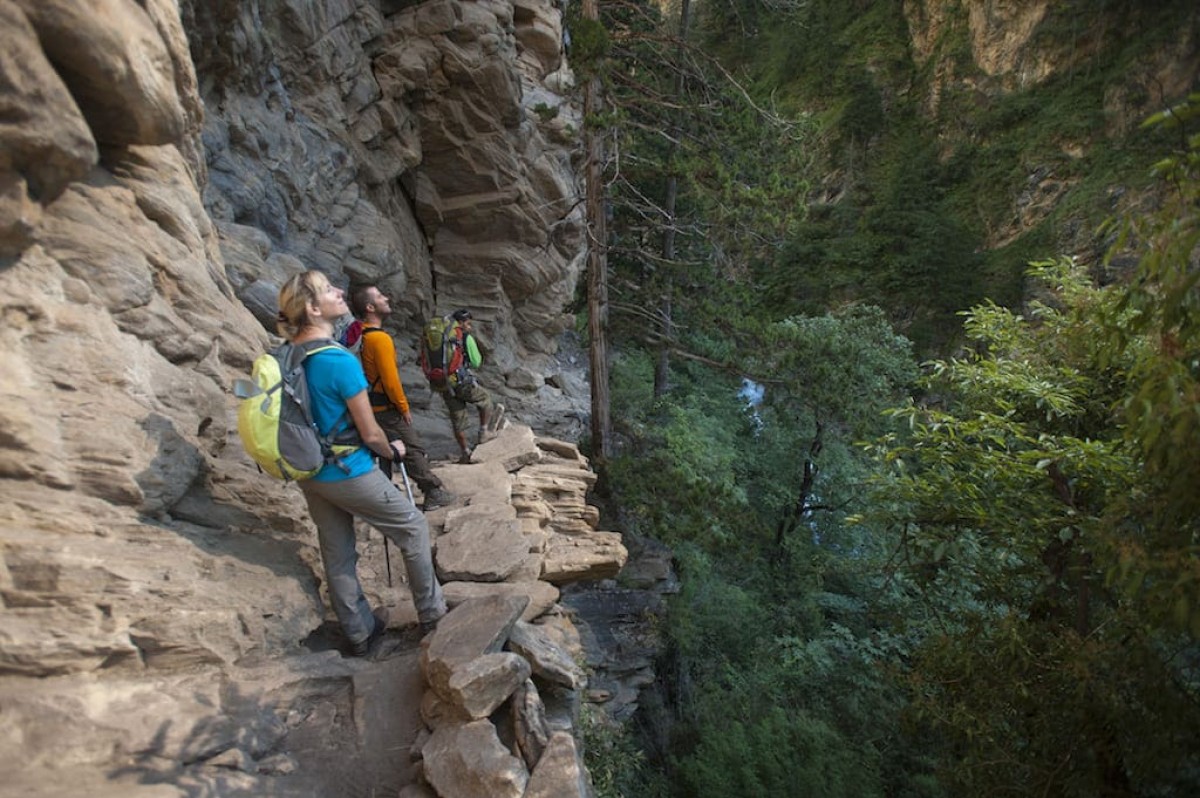
Understand What Trekking Really Involves
There is only one way to get around most Himalayan trails. You walk.
Porters move with impressive strength and speed. However, you are not expected to match them. You are simply expected to carry yourself comfortably.
An average trekking day usually involves 5 to 7 hours of walking. You may climb 700 to 900 metres in elevation. Yes, there will be some descent too. However, most days gradually take you higher. Therefore, your goal is simple. You need to be comfortable walking steadily for several hours. More importantly, you need to repeat that effort the next day.
If your fitness level is too low, the experience becomes uncomfortable. If your fitness level is prepared, the experience becomes enjoyable.
Stamina Comes Before Speed
Preparation and planning is fundamental. But remember, a trek is not a race and it’s not a sprint either. Stamina is key. The ability to maintain a steady pace for several hours at a time, each and every day.
Increase your fitness and stamina levels slowly. Don’t try and overdo it at first. Plan ahead and aim to reach your best fitness levels to coincide with when you are about to start your holiday. Increase your walking time gradually. Start with 30 to 45 minutes, four or five times a week. Then extend it to 60 or even 90 minutes.
Aim to reach a point where walking for two to three hours feels manageable. Once that feels steady, you are on the right track.
Think like a metronome. Imagine a steady rhythm in your head. Not too fast. Not too slow. Maintain that rhythm as you walk.
That steady pace is what carries you through the mountains.
Train in the Hills Whenever Possible
The best preparation is simple. Go walking in the hills or mountains near you.
Trekking in Nepal is an outdoor holiday. Therefore, you should feel comfortable outdoors. Use your trek as an excuse to take weekend walking breaks.
However, do not overdo it. You do not need to climb Europe’s highest peaks on your first outing. Start with manageable routes. Then increase your distance and elevation slowly.
Your body adapts best when you challenge it gradually. Sudden extremes only lead to soreness or injury.
If you can comfortably walk in hilly terrain for several days in a row, you are nearly ready.
Use Alternative Training if Hills Are Not Available
Not everyone lives near mountains. That does not mean you cannot prepare effectively.
Join a local gym if possible. Speak to an instructor about your trekking plans. Make sure they understand you will not be walking on flat ground. Cycling is excellent for building leg strength and aerobic stamina. It is also enjoyable, which makes it easier to stay consistent. Jogging works well too, especially if you include uphill sections. Squash improves endurance and agility. Even brisk daily walking adds valuable conditioning.
Add more movement into your routine. Walk to work if possible. Take evening walks instead of watching television. Small daily habits build impressive results.
Strengthen the Right Muscles
Walking uphill uses different muscles than walking on flat ground. Downhill walking works your legs differently again. Add simple strength exercises two or three times per week. Bodyweight squats help build thigh strength. Lunges improve balance and stability. Step-ups prepare your legs for repeated climbing. Wall sits build endurance in your quadriceps.
Planks strengthen your core and improve posture. Add planks for 30 to 60 seconds. Include side planks to engage stabilizing muscles. Practice bird-dog and dead bug exercises for coordination. You do not need heavy weights for effective results.
You do not need heavy gym sessions. You need consistent effort. Over time, those muscles will thank you on steep trails.
Focus on Breathing and Mental Strength
Physical fitness is essential. However, mental preparation matters just as much.
Many people underestimate their ability. Yet you may surprise yourself once you are actually on the trail. In the Himalayas, walking is often the only option. When there is no alternative, you simply keep going.
Approach your trek with anticipation rather than dread. If you enjoy the process, it feels easier. If you resent it, it feels twice as hard.
Pay attention to your breathing during training. Avoid short, shallow breaths. Instead, breathe deeply and steadily. Match your breathing to your walking rhythm.
With practice, your body learns to regulate this naturally. Deep breathing delivers oxygen efficiently to your muscles. Consequently, you feel less breathless and more controlled.
Break in Your Trekking Boots Early
Foot comfort determines trekking enjoyment. Never bring brand-new boots to the mountains. Instead, purchase them four to six weeks before departure.
Wear your boots during training walks. Test them with proper hiking socks. Adjust the laces for comfort and support.
Blisters ruin trekking experiences faster than fatigue. Therefore, prioritize footwear preparation early.
(In our next blog about preparing for a Nepal trek we’ll look at how to love your feet and the importance of choosing a good pair of hiking boots.)
Prepare Gradually and Plan Ahead
Many trekkers book their Nepal adventure well in advance. Use that time wisely. Increase your fitness slowly. Do not rush the process. Plan your peak fitness to align with your departure date.
Aim to reach a level where you can walk several hours comfortably for multiple consecutive days. If you can manage that, you are ready.
Final Thoughts on Trekking Fitness
Trekking in Nepal does not demand perfection. It demands preparation.
Build stamina steadily. Strengthen your legs thoughtfully. Train your breathing consciously. Prepare your mindset positively.
When you arrive in the mountains confident and prepared, the experience transforms you completely.
And once you find your rhythm on those Himalayan trails, you will realise something important.
You were capable all along.